


THIRTY-FIVE years ago this month, while most people were winding down for Christmas, I was setting up a new charity. I had spent the previous four years working for Fullemploy, a national ethnic minority education and training agency. When this closed in 1990, I was left without a job. But having seen the positive impact of our work in Bradford and elsewhere, I knew there was still much more to be done. And so QED Foundation was born.
We started out with just three people, sharing office space kindly loaned to us by the YMCA on Little Horton Lane. From the beginning my vision was simple – change the poor social and economic circumstances facing new and settled migrant communities, and give them clear routes into education, training, employment and enterprise.
I believe that over the last three-and-a-half decades we’ve done this. We have supported more than 40,000 people from 26 countries – spouses, asylum seekers, refugees and settled residents – helping them gain citizenship, find work, start businesses and go to college or university.
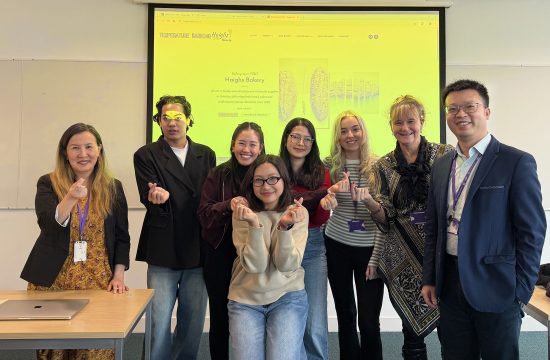
We have helped new arrivals in this country to build their self-confidence through integration courses. We’ve also taught literacy, numeracy and IT skills, run interviewing workshops and provided business startup advice and mentoring. To this day, I still get stopped in the street by someone wishing to thank me and QED for our support, which is both gratifying and humbling.
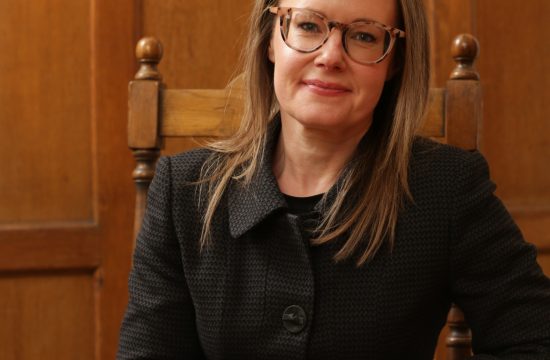
QED has remained rooted in Bradford while delivering programmes across the region, the UK and beyond, and I’m extremely fortunate to have had Adeeba Malik, our deputy CEO, alongside me for more than 30 years. Adeeba has recently been appointed first woman of Asian heritage to become Lord Lieutenant in the UK, and I could not be prouder.
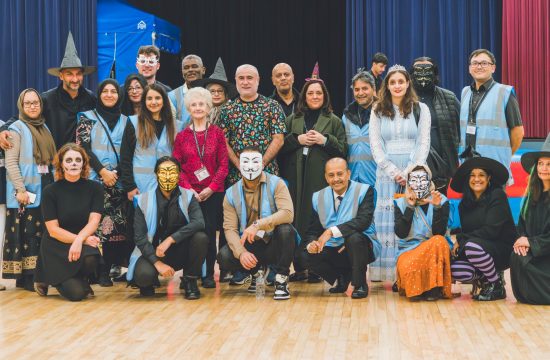
One of our biggest achievements has been working with key figures across the public, private and voluntary sectors. We have trained, coached and advised more than 3,000 decision-makers helping employers engage with an increasingly diverse and fragmented population as well as recruit and retain talent.
The businesses we have supported employ hundreds of thousands of people and prove that a small organisation like ours can punch well above its weight and deliver results. For instance, we recently trained 600 GCHQ staff, which deepened the organisation’s understanding of modern Britain and informed its policy and practice.
The scope of our projects and programmes is wide ranging – from pre-departure training for South Asian women joining their husbands in the UK to using madrassas as trusted venues for careers advice. Unless you really understand communities then you can’t begin to address their needs, and I think that’s one of the reasons for our longevity.
I once said in an interview with this newspaper that I believed QED would only last 10 years because by the year 2000, mainstream public and private institutions and businesses would have picked up the baton and been doing this work themselves. But more than three decades on we’re still here
That isn’t to say nothing has changed. We have seen great progress in terms of diversity in this country. Back in 1990, when QED started, there were just four MPs from ethnic backgrounds. Today there are 90, meaning diversity among our elected representatives is at a record level.
Over the past decade or so we’ve also seen Britain’s first ever South Asian prime minister, the first Muslim mayor of London and the first black woman to lead a major political party in the UK.
We have unquestionably come a long way, and yet here we are 35 years later still talking about a lot of the same issues – health, education and equal opportunities – and challenges, such as entrenched barriers preventing equality and policy decisions that can hinder integration, remain.
More people from ethnic backgrounds might be working now but they are often in low-paying jobs. Unemployment amongst graduates from ethnic backgrounds is high and those graduates from ethnic minority backgrounds find it harder to find work than their white counterparts.
And it’s still difficult to get into senior management roles. I go to high-profile conferences and events where there are very few people from a similar background to me. We need greater diversity because it’s good for community cohesion and it’s good for business and the economy.
The UK has once again become an increasingly hostile environment for ethnic minorities, particularly Muslims, which reminds me of the racism I encountered in the 70s – dark days I had hoped were long gone. Despite these concerns I am optimistic for the future. The recent Yorkshire Asian Young Achievers (YAYA) awards in Bradford highlighted the wealth of young talent out there quietly doing great things and show me that we’re on the right path.
We all want a thriving and inclusive Britain where everyone can participate in our social, cultural and economic life. This was my vision 35 years ago and it hasn’t wavered. That’s why we will continue our work for as long as it is needed.
* Dr Mohammed Ali OBE is the founder and CEO of QED Foundation.